

VIP Security for Private Events That Works
- Aug 10
- 6 min read
A private dinner in Beverly Hills, a product launch in West Hollywood, or an estate gathering in the Hollywood Hills can change character in minutes when a high-profile guest arrives. More attention gathers outside, uninvited guests test the door, and a minor dispute can become a distraction with reputational consequences. VIP security for private events is not about making a gathering feel restricted. It is about creating controlled conditions so hosts, guests, and staff can focus on the event itself.
The right approach is discreet, planned, and proportional to the actual risk. A visible security presence may be appropriate at a large arrival area or public-facing venue. At an intimate private residence, the same objective may call for low-profile protection, verified guest access, and a tightly managed perimeter. The plan must fit the event, the guest, the location, and the level of public attention involved.
What VIP Security for Private Events Must Protect
VIP protection extends beyond the individual guest. It protects the event schedule, the privacy of attendees, the host's property, and the ability of the venue team to operate without interruption. That means security planning should begin with a clear understanding of what could interfere with the event.
For some clients, the primary concern is unwanted contact with an executive, performer, public figure, or family member. For others, it is controlling access to a private celebration where names, faces, and guest information must remain confidential. A high-value gift display, alcohol service, contentious business relationship, or large social media following can also change the security profile.
Threats do not always arrive as obvious threats. An overenthusiastic fan may attempt to bypass a check-in point. A guest may bring an unapproved companion. A photographer may wait outside for an arrival shot. A former employee or personal acquaintance may know the property layout and try to enter through a side gate. Professional security accounts for these possibilities before they interrupt the event.
Start With a Site-Specific Risk Assessment
A security plan built from a generic staffing formula leaves gaps. Every Los Angeles event site has different traffic patterns, entry points, parking conditions, visibility issues, and neighborhood concerns. A rooftop venue has different vulnerabilities than a gated residence. A hotel ballroom requires a different access plan than a private studio or restaurant buyout.
A site assessment should identify every practical route in and out, including service entrances, elevators, loading areas, side gates, parking structures, and nearby public sidewalks. It should also account for areas guests may not consider, such as restrooms near a rear corridor, open balconies, valet staging points, and rooms used by catering or production crews.
Security leaders should confirm who controls each space and when. The venue may manage its own doors, parking staff, cameras, or emergency procedures. Those responsibilities need to be coordinated rather than assumed. When roles are unclear, an access issue can turn into a delayed response.
The assessment should also consider the surrounding environment. In Los Angeles, traffic congestion can delay arrival teams, ambulances, or law enforcement. Public sidewalks may place onlookers close to a venue entrance. Events near nightlife corridors can face spillover from nearby crowds. Local familiarity helps security teams plan realistic arrival routes, staging areas, and contingency exits.
Build Access Control Around the Guest Experience
Access control is the foundation of most private-event protection. It should be firm enough to stop unauthorized entry while remaining professional for invited guests. The goal is not to create a line of frustrated attendees. It is to establish one reliable process for confirming who belongs on site.
A pre-approved guest list is essential. Depending on the event, that list may be limited to names, expanded with identification requirements, or divided by access level. Hosts, VIPs, family members, vendors, production staff, drivers, and catering teams do not necessarily need the same access privileges.
Digital guest lists and real-time communication reduce confusion when plans shift. If a host adds a guest, changes an arrival time, or authorizes a special entry request, the security team needs a clear channel for verification. Verbal instructions passed through multiple people are a common source of mistakes.
For higher-profile events, consider separate arrival paths for the VIP, general guests, staff, and vendors. This reduces crowding at the door and limits the chance that an unverified person can follow an invited guest inside. It also gives protection personnel more room to observe behavior without creating an uncomfortable scene.
A strong access plan addresses four areas:
Credential checks at every active entry point
Controlled routes for vendors, deliveries, and staff
Clear procedures for late additions and denied entry
Secure handling of guest lists, schedules, and personal information
Privacy matters as much as entry control. Security personnel should not announce a VIP's location, discuss guest identities, or share event details. Discretion is part of the job, not an extra courtesy.
Use the Right Mix of Visible and Discreet Personnel
The number of guards needed depends on the site, guest count, event duration, alcohol service, public exposure, and VIP profile. More personnel are not automatically better. Too many highly visible guards at a small private dinner can make guests uneasy. Too few guards at a large event can leave critical points uncovered.
A layered deployment often works best. One officer may manage the primary entrance, another may monitor the perimeter or parking area, and a close protection professional may remain responsible for the VIP's movement. A supervisor can coordinate the team, communicate with the host or event manager, and make decisions if an incident develops.
The quality and assignment of personnel matter more than a headcount alone. Door officers need to be calm, observant, and capable of enforcing entry policies without escalating routine disagreements. Close protection personnel need situational awareness, sound judgment, and the ability to move a client away from concern without drawing attention. Mobile patrol or exterior officers need to recognize suspicious activity before it reaches the door.
At Wings Security Services, event coverage is planned around the site and operating conditions, with trained personnel supported by access control and monitoring tools when appropriate. That layered approach gives clients greater visibility without relying on a single guard to manage every responsibility.
Plan VIP Arrival, Movement, and Departure
Arrivals and departures are often the most exposed moments of a private event. Guests are gathering, vehicles are moving, and attention is concentrated near an entrance. A prepared security team establishes where the VIP vehicle will stop, who will meet it, which route leads inside, and what happens if conditions outside change.
The route should not be discussed broadly with vendors or guests. If the VIP needs to move between rooms, meet selected attendees, or leave early, security should know the intended path and a practical alternative. This does not require dramatic tactics. It requires disciplined coordination.
Departure planning deserves the same attention. Late-night exits can bring fatigue, reduced lighting, and guests congregating near the curb. Security should verify that the vehicle is ready, the path is clear, and the VIP is not left waiting in an exposed location. If the event includes alcohol, transportation coordination also protects guests from preventable safety issues.
Integrate Technology Without Overcomplicating the Event
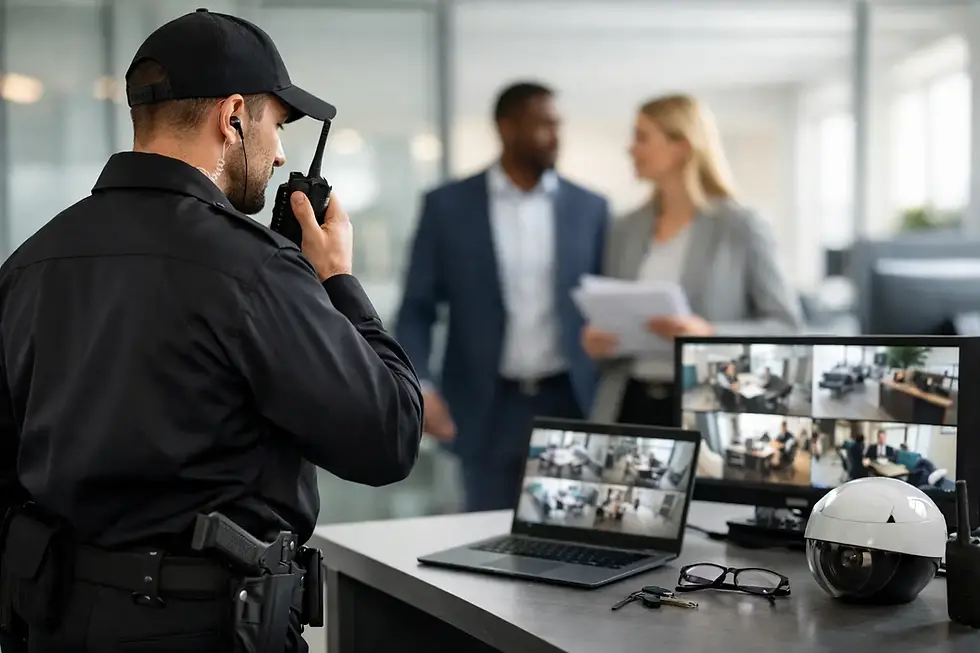
Technology can strengthen private-event security when it supports trained personnel instead of replacing them. Portable cameras, monitored surveillance feeds, radios, digital check-in systems, and controlled access points can help teams identify issues early and communicate quickly.
The right tools depend on the venue. A large estate may benefit from camera coverage of gates, driveways, and perimeter areas. A corporate reception may need digital credentials and monitored access to restricted rooms. A smaller gathering may only require reliable radios and a protected guest list.
There is a trade-off. Excessive equipment can create friction, especially in a refined or intimate setting. The technology should be selected for the threat level and used with respect for guest privacy. Cameras should not be placed casually in sensitive areas, and all security procedures should align with venue rules and applicable law.
Prepare for Disruption Before It Happens
Professional security is measured by prevention, but a plan must also prepare for the unexpected. Medical emergencies, disruptive guests, lost children, fire alarms, suspicious packages, power interruptions, and protest activity can all affect a private event. The team needs a reporting structure and a response plan that keeps the host informed without creating unnecessary alarm.
Before guests arrive, security leadership should establish who can make decisions about denied entry, removal from the property, event pauses, and emergency contact with law enforcement or medical responders. The host may want final approval on certain guest issues, but a team also needs authority to act immediately when safety is at stake.
Briefings matter. Security staff, event managers, valet teams, and key vendors should know where to report concerns and how to reach the right person. They do not need every detail of the VIP protection plan. They need the information required to perform their role without delay.
The best private events feel relaxed because the preparation happened well before the first guest arrived. Choose a security partner early, provide accurate event details, and give the team room to identify issues that may not be visible on a venue walkthrough. Calm is not accidental. It is the result of disciplined planning, professional presence, and people ready to act when it counts.


Comments